


Brake discs are a vital part of your vehicle’s braking system, but they do not last forever. Over time, repeated braking, heat and everyday driving conditions cause the discs to wear. Knowing when to replace brake discs can help maintain reliable braking performance and prevent worn components from affecting how your car feels on the road.
There is no single replacement interval that applies to every vehicle. Driving style, annual mileage, road conditions and the type of brake discs fitted can all affect their lifespan. Instead, it is important to recognise the common signs of worn brake discs and have them inspected when necessary.
Looking for replacements? Browse our range of performance brake discs or use our vehicle finder to find discs suitable for your car.
How Long Do Brake Discs Last?
Brake disc lifespan can vary considerably between vehicles. A car regularly driven in heavy traffic may experience different levels of wear compared with one predominantly used for motorway journeys.
Performance driving can also increase the amount of heat generated during braking, placing additional demands on the braking system.
Rather than relying solely on mileage, brake disc condition and thickness should be considered. Manufacturers specify a minimum permitted thickness for each disc, and discs that have reached this limit should be replaced.
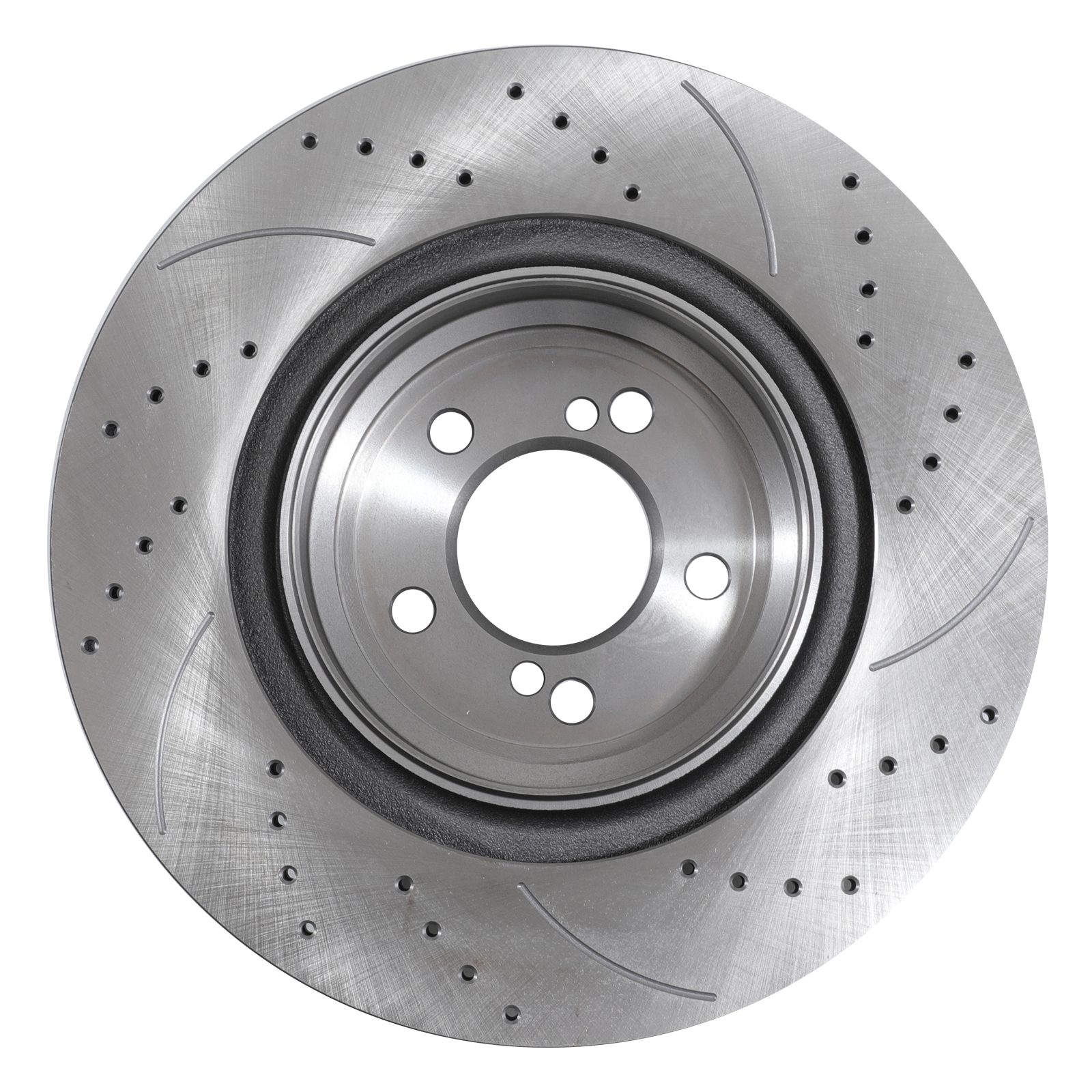
What Are the Signs Brake Discs Need Replacing?
Worn brake discs can produce several noticeable symptoms. One of the most common is vibration or pulsing through the steering wheel or brake pedal during braking. This can indicate an uneven disc surface or other braking-system issues that require inspection.
Other warning signs can include:
- Visible scoring, grooves or an uneven braking surface
- Excessive corrosion on the disc
- Cracks or other visible damage
- Changes in braking performance
- Vibration when braking
- Brake discs measuring below their specified minimum thickness
Some surface corrosion can occur when a vehicle has been parked, particularly in wet conditions. However, significant or persistent corrosion should be professionally assessed.
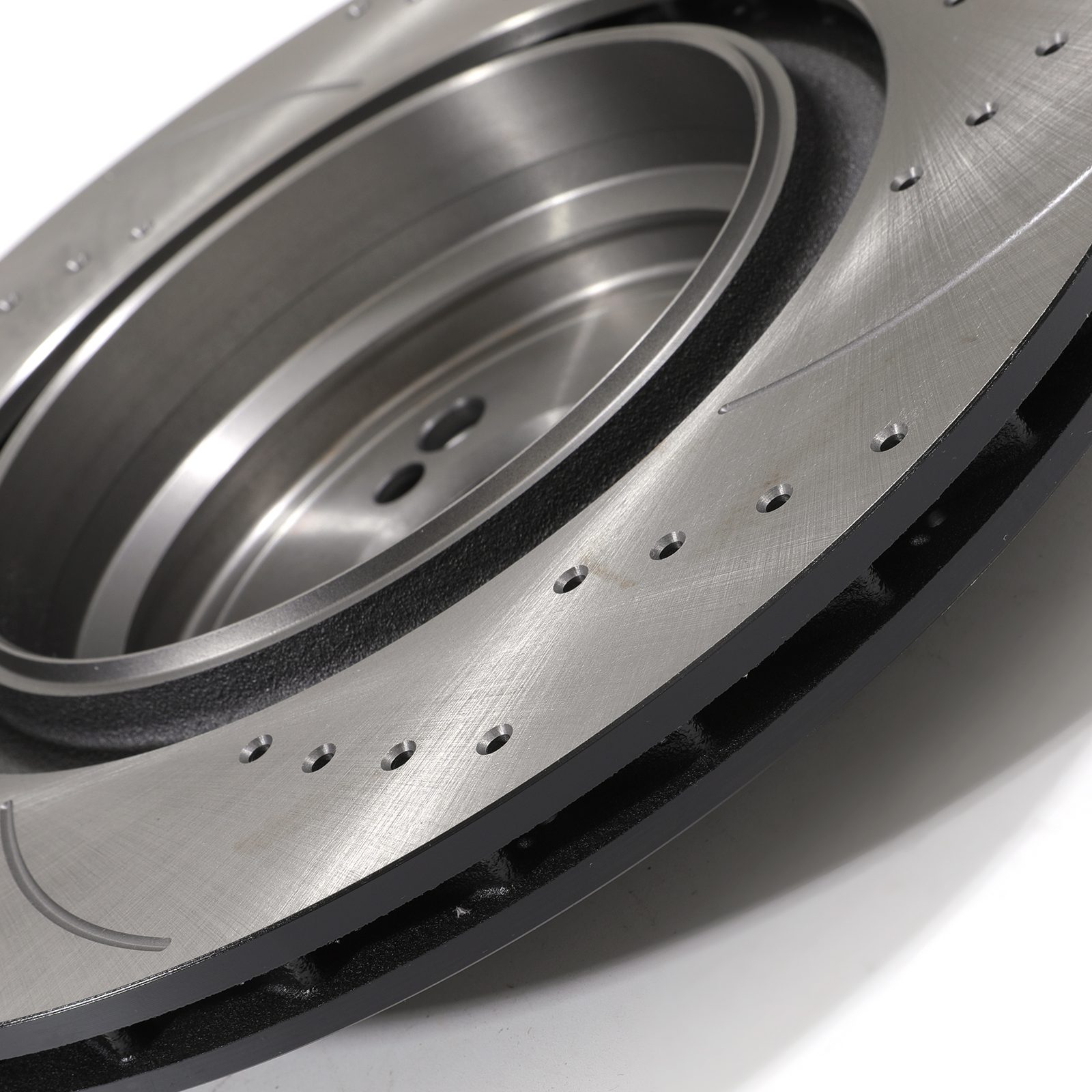
Why Does Brake Disc Thickness Matter?
Every time the brakes are applied, friction gradually wears material from the disc. As the disc becomes thinner, it eventually reaches the manufacturer’s minimum thickness specification.
Measuring brake disc thickness accurately requires the correct equipment and the measurement should be compared with the specification for the particular disc and vehicle.
If you are unsure about the condition of your braking system, having it inspected by a qualified mechanic is the safest approach.
What Causes Brake Discs to Wear Faster?
Driving habits can have a major effect on brake disc wear. Frequent hard braking generates more heat and can accelerate wear, particularly on vehicles used for enthusiastic road or track driving.
Vehicle weight, journey type and environmental conditions can also influence brake disc life. Cars that spend long periods unused may be more susceptible to corrosion, while repeated stop-start driving can place greater demands on the braking system.
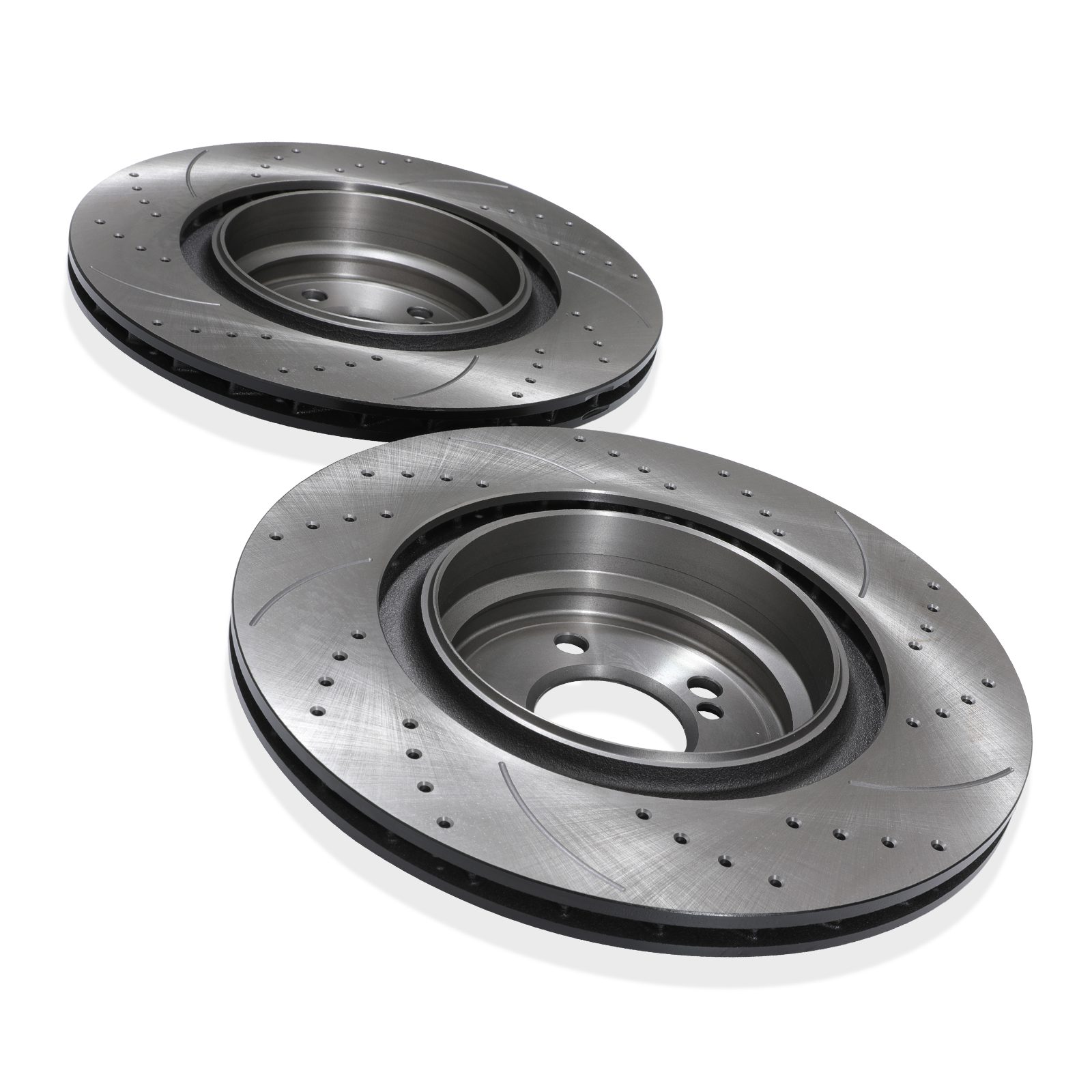
Choosing quality replacement discs designed for your vehicle can help provide dependable performance. Rotor Discs offers drilled, grooved, vented and solid brake discs for a wide variety of vehicles.

Should Brake Discs Be Replaced in Pairs?
Brake discs are normally replaced in axle pairs, meaning both front discs or both rear discs are changed together. This helps maintain consistent braking characteristics across the same axle.
It is also important to make sure replacement discs are the correct size and specification for your exact vehicle. Different engine, trim and performance variants of the same model can use different braking systems.

Is It Time to Replace Your Brake Discs?
If your brake discs are heavily worn, damaged, below their minimum thickness or causing noticeable braking issues, they should be inspected and replaced where necessary.
Do not ignore changes in how your vehicle behaves under braking. Catching brake disc wear early can help maintain consistent performance and give you greater confidence behind the wheel.
Ready to replace or upgrade your discs? Find brake discs for your vehicle at Rotor Discs and explore our range of performance-focused replacement brake discs today.